Disability and Serious Injury Cases:
A Complete Approach to Liability and Damages
In many personal injury and wrongful death cases, disability is treated only as a consequence of injury, a medical condition that is evaluated within traditional damages frameworks such as pain and suffering, lost earnings, and future care. While these frameworks are essential, they often do not tell the whole story. They may overlook how disability shapes the duty owed, the standard of care required, and the foreseeable risks that defendants must recognize and address. As a result, cases can be underdeveloped on liability and undervalued in terms of damages.
Matthew Dietz brings more than thirty years of experience in disability law to ensure that these issues are fully identified and integrated into the case. There are some cases which the disability issues are obvious and predominate, such as matters involving group homes, intentional communities and schools. But even in medical malpractice or other personal injury cases, the disability perspective is essential to represent a client with a disability.
His work focuses on uncovering how an injury occurred in light of disability-related risks, including whether a defendant knew or should have known of the existence conditions that created heightened dangers for individuals with disabilities, and whether reasonable steps were taken to prevent harm. This includes evaluating failures to accommodate, failures to provide accessible environments, and failures to account for known vulnerabilities in policies, practices, or physical spaces.
This perspective is critical in building a strong case. In addition to traditional negligence principles, a complete analysis must consider how disability affects duty, breach, causation, and damage. For example, a property owner’s failure to remove barriers or maintain accessible pathways may directly contribute to a fall or other injury. A business or employer’s failure to accommodate a known disability may increase the likelihood of harm in ways that would not exist for other individuals. In negligent security cases, ignoring known risks that disproportionately affect individuals with disabilities—such as inadequate lighting, lack of accessible emergency procedures, or failure to account for mobility or communication barriers, which can support liability and expand the scope of the claim.
Beyond liability, disability also plays a critical role in damages. For many people with disabilities, their disability is a part of their identities, Injuries may have a greater and more lasting impact on individuals with disabilities, affecting independence, daily functioning, access to care, and overall quality of life. Properly presenting these issues requires an understanding of how disability intersects with life care planning, future medical needs, and long-term support requirements. It also requires ensuring that expert testimony and case strategy reflect the full extent of these impacts.
In litigation matters, Matthew Dietz works to ensure that clients are represented by highly qualified trial attorneys while also bringing specialized disability law expertise into the case. Whether a client already has counsel or needs to be connected with the right legal team, he helps identify experienced litigators with the resources to handle complex cases and collaborates with them to fully develop disability-related issues affecting liability and damages. This approach ensures that cases are both strongly litigated and strategically informed by disability law.
Matthew Dietz works to ensure that no part of the case is overlooked. By identifying disability-related factors early, guiding how those issues are developed through discovery, and integrating them into the overall case strategy, he helps position cases for stronger outcomes. This approach does not replace traditional personal injury representation; it enhances it by ensuring that the case reflects the full reality of what occurred and the true extent of the harm.
The result is a more complete, accurate, and compelling case that fully accounts for how disability shapes both the cause of the injury and its consequences.
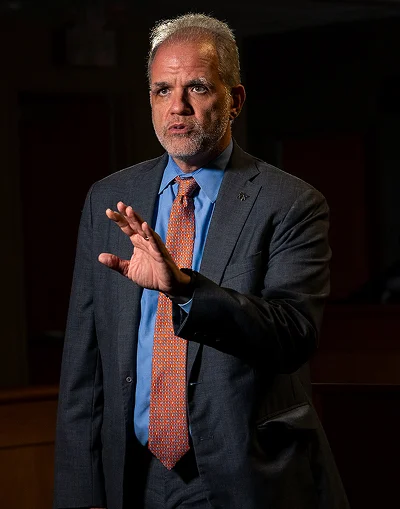 Matthew Dietz is a civil rights attorney, disability law expert, and former Professor of Law whose career has been defined by advancing access, accountability, and systemic change for individuals with disabilities.
<