Consulting and Training Services
Matthew W. Dietz provides disability consulting services to help organizations, professionals, and attorneys understand and comply with federal and state disability laws while improving how they serve individuals with disabilities. His work is focused on translating complex legal requirements in disability law into practical, real-world solutions that cut through electronic, physical and attitudinal barriers.With more than thirty years of experience in disability rights law, including litigation, teaching, and policy work, he brings a perspective that goes beyond compliance checklists. He helps clients understand not only what the law requires, but how those requirements apply in everyday operations, decision-making, and interactions with the public.
His consulting services include reviewing policies, practices, and procedures to identify potential barriers or legal risks, and providing clear recommendations for improvement. He works with healthcare providers, businesses, schools, housing providers, courts, and government entities to address issues such as effective communication, reasonable accommodations, service animal access, and accessibility in both physical and digital environments.
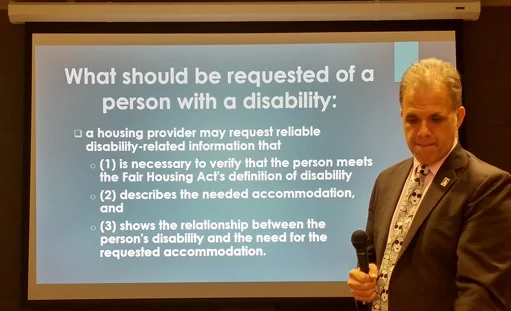
He also provides training and education tailored to the needs of each organization. These trainings are designed to help entities as a whole to understand their responsibilities, recognize common compliance issues, and respond appropriately to real-world situations. The goal is to prevent problems before they arise and to ensure that organizations are prepared to handle disability-related issues confidently and lawfully.
His approach is practical and results-oriented. Rather than offering abstract legal opinions, he provides clear, actionable guidance that can be implemented immediately. Whether addressing a specific issue or conducting a broader review, his goal is to help clients operate in a way that is both legally compliant and respectful of the rights and needs of individuals with disabilities.
By combining deep legal knowledge with real-world experience, Matthew Dietz helps organizations and professionals reduce risk, improve access, and make better decisions when it comes to disability-related matters.
Expert Witness Services
In complex civil rights and tort litigation, the outcome of a case often turns not only on the facts, but on how those facts are interpreted within specialized legal and regulatory frameworks. Disability law is one of the most intricate of these frameworks. It is governed by multiple overlapping statutes, evolving regulatory guidance, and highly fact-specific standards that require careful analysis and clear explanation.
Matthew Dietz provides expert witness services in cases involving disability rights, accessibility, and compliance with laws such as the Americans with Disabilities Act (ADA), Section 504 of the Rehabilitation Act, and the Fair Housing Act. With more than thirty years of experience as a litigator, professor, and consultant, he offers courts and legal teams a clear, practical understanding of how disability law applies in real-world settings.
His role as an expert is to evaluate whether actions taken by a business, healthcare provider, government entity, or housing provider meet legal requirements and accepted standards. This includes analyzing issues such as reasonable accommodations, effective communication, accessibility of facilities and services, service animal access, and decision-making affecting individuals with disabilities. He reviews records, policies, and conduct, and provides written reports and testimony that explain whether legal obligations were met and whether any failures may have contributed to harm.
A key part of this work is the ability to translate complex legal standards into clear, understandable explanations for judges and juries. Disability law can be highly technical, but effective expert testimony focuses on what should have been done in practical terms. Matthew W. Dietz explains not only what the law requires, but how those requirements can be met through reasonable, achievable solutions that reflect best practices.
This is critical in litigation. Courts are not only concerned with whether a violation occurred, but also whether the required actions were realistic and appropriate under the circumstances. By identifying solutions that are both legally compliant and operationally feasible, he helps demonstrate how a defendant could have acted differently to prevent harm.
Matthew Dietz’s expert witness work is focused on delivering clear, practical, and reliable analysis that helps decision-makers understand both the legal standards and the real-world solutions that define compliance.
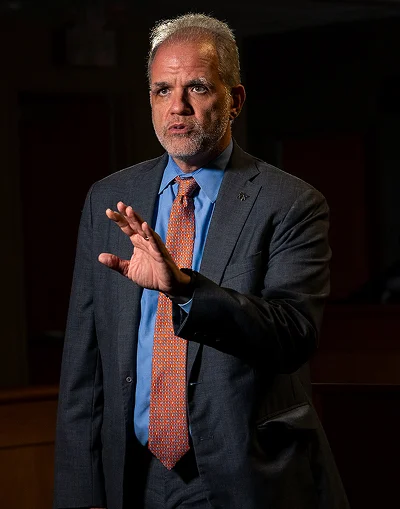
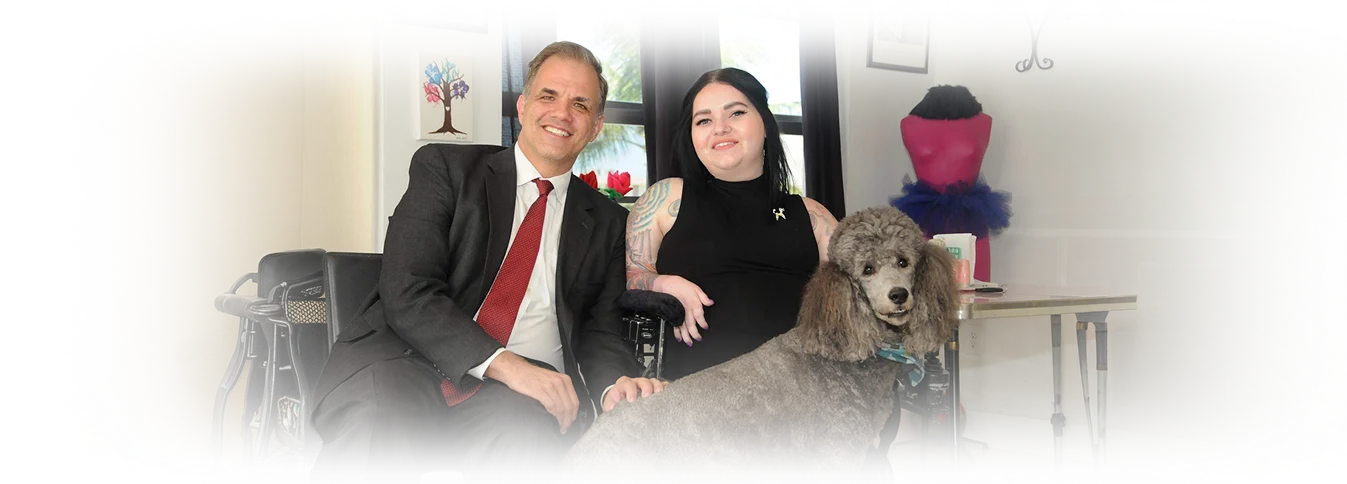
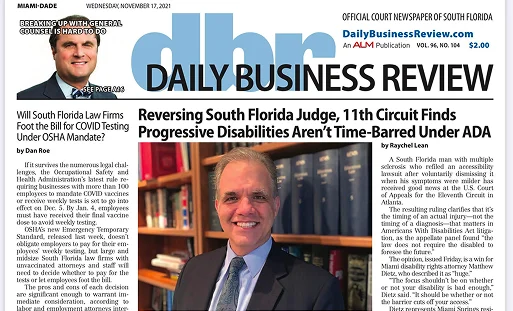
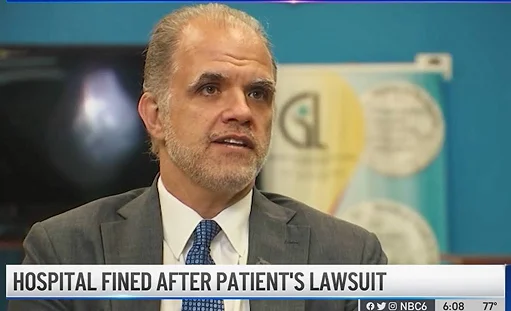
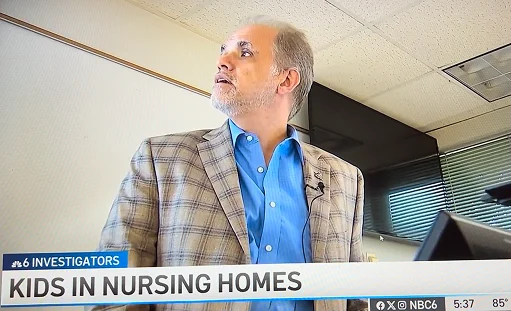
Matthew Dietz is a civil rights attorney, disability law expert, and former Professor of Law whose career has been defined by advancing access, accountability, and systemic change for individuals with disabilities.